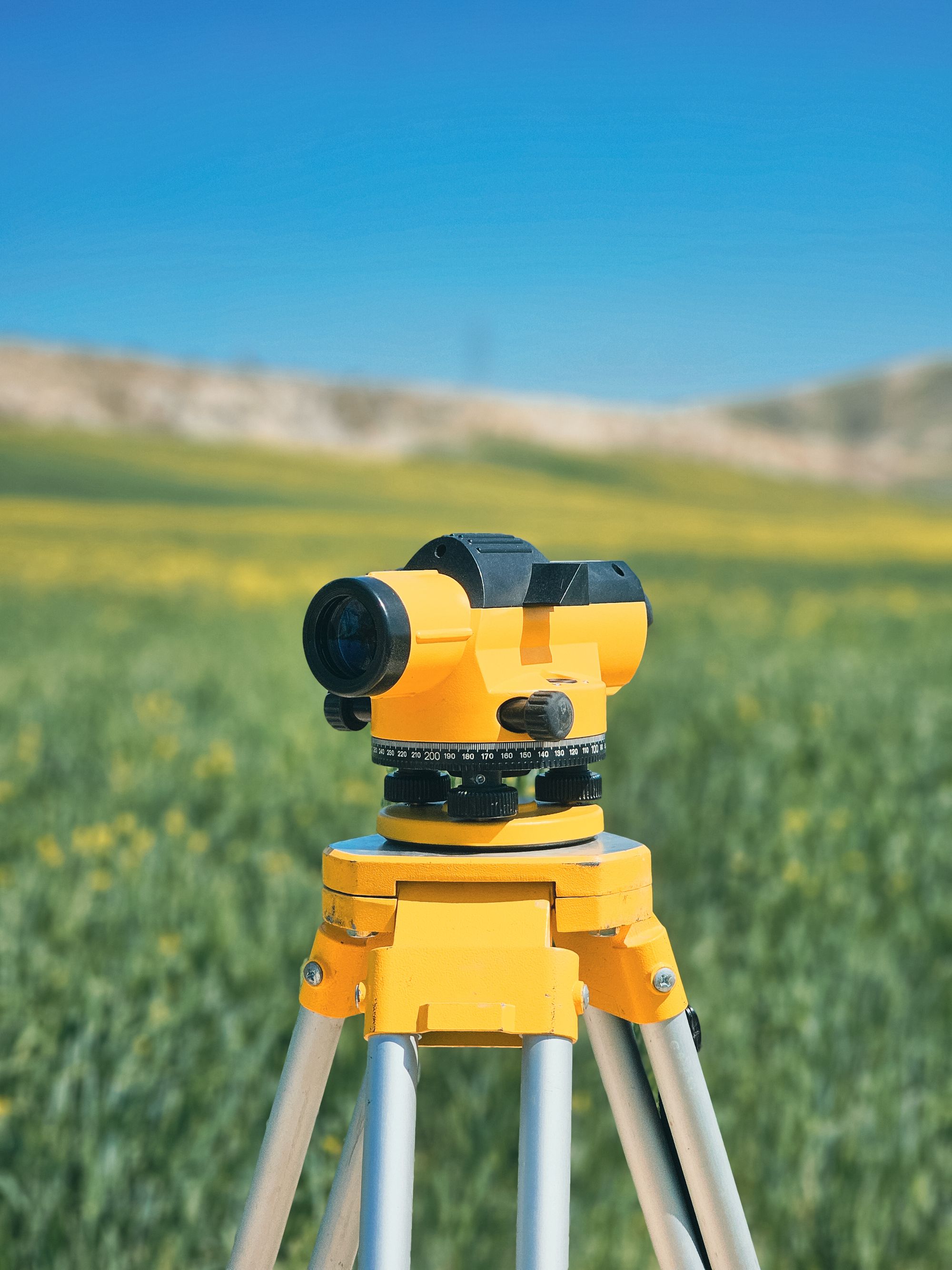
Chanote (โฉนดที่ดิน, formally Nor Sor 4 Jor or น.ส. 4 จ.) is the highest level of land title in Thailand. For foreign buyers — who access land via leasehold, superficies, or company structure — the underlying title must be Chanote for the structure to be legally clean and resale-friendly.
What is a Chanote title deed in Thailand?
A Chanote is the only Thai land title that is fully surveyed with GPS-marked boundaries, fully registered with the Department of Lands, and generally transferable, subject to encumbrances and legal restrictions. It is a single government-issued document. The front contains:
- Title deed number (unique, issued by the local Land Office)
- Issuing Land Office (province and district)
- Land area (in rai, ngan, wa — Thai units; 1 rai = 1,600 m²; 1 ngan = 400 m²; 1 wa = 4 m²)
- Boundary description with reference to surrounding plots and surveyed coordinates
- Map of the plot drawn from the survey
- Original registered owner
The back of the document records all subsequent transactions, encumbrances, and registered rights: ownership transfers, mortgages registered and discharged, leases of three years or longer, usufruct/superficies/habitation registrations, easements, court orders and attachments, and tax-payment entries. A Chanote is updated in real time at the Land Office — the current version of the back of the title is the authoritative record, not a copy you were given last year or what the seller tells you.
What are the different types of land title in Thailand?
Thai land titles range from full ownership (Chanote) down to mere occupancy claims:
| Title | Thai name | Survey | Transferable | Mortgageable | Notes |
|---|---|---|---|---|---|
| Chanote | น.ส. 4 จ. (Nor Sor 4 Jor) | Full GPS survey | Yes — subject to encumbrances and legal restrictions | Yes — any bank | The standard for ownership |
| Nor Sor 3 Gor | น.ส. 3 ก. | Aerial photo, not ground survey | Yes | Yes (most banks) | Upgradeable to Chanote |
| Nor Sor 3 | น.ส. 3 | No survey | Yes (with limitations) | Limited | Older, weaker form |
| Nor Sor 2 (Bai Jong) | น.ส. 2 | None | Restricted | No | Permission to occupy only |
| Sor Kor 1 | ส.ค. 1 | None | Limited (claim, not title) | No | Pre-1954 occupation claim |
| Por Bor Tor 5 | ภ.บ.ท. 5 | None | No | No | Tax-payment receipt only — not a title |
For foreign buyers, the practical rules are: accept Chanote as the standard for any serious purchase; accept Nor Sor 3 Gor with caution, only after verifying the upgrade path and pricing in the title-type discount; and do not accept anything weaker for a foreign-buyer transaction — the title is too weak to support a leasehold-plus-superficies structure with confidence, and resale is severely constrained.
Why does the title type matter for foreign buyers?
Foreign buyers don’t own land directly in Thailand under any of the standard structures, but every structure depends on a Thai-side title-holder having clean title. For leasehold, the 30-year registered lease is recorded against the back of the underlying title — a weak underlying title means the lessor’s title can be challenged, the lease may not survive a successful challenge, and the lessee has no recourse against the land itself. For superficies, the building is registered against the underlying land’s title, so a weak title weakens the building owner’s rights along with it. For a Thai-company-holds-land structure, the company’s land asset is only as strong as the title: banks won’t lend against weak titles, resale is harder, and a title challenge cascades through to the foreign minority shareholder. For a Thai-spouse purchase, a Chanote in the spouse’s name supports the usufruct, superficies, or lease structure the foreign spouse relies on.
In all four cases, the foreign buyer’s structure sits on top of the underlying Thai-side title, and Chanote is the only title strong enough to support it with confidence over a 30-year horizon.
How do I verify a Chanote before buying?
Your lawyer verifies a Chanote in three steps: get a copy of the deed itself, pull a current Land Office copy, and compare the two. The seller should produce the original or a clear, legible copy — a red garuda-stamped document headed โฉนดที่ดิน. Separately, the lawyer goes to the issuing Land Office named on the deed and pulls a current copy of the back of the title, showing every registration as of the search date, dated and stamped by the Land Office. The lawyer then compares the seller’s copy against the Land Office copy: owner name, title number, area, and encumbrances (no surprise mortgages, leases, or court orders) all need to match.
Any mismatch is a red flag — the Land Office copy is the authoritative record, and the seller’s copy is only a representation. For Phuket-specific due diligence including title-type verification, see Due diligence checklist for buying property in Thailand.
Can a Chanote boundary still be disputed?
Yes — a surveyed boundary resolves most disputes but not all of them. Older Chanote surveys sometimes don’t match a modern GPS reading precisely; the Land Department has resurveyed many older titles, but small discrepancies at the boundary line still turn up, and while most properties are unaffected, tight-boundary developments and beachfront properties are where it matters most. Physical features — a neighbor’s fence, an established path — can also sit slightly off the registered boundary line, something that was tolerated for decades on many Phuket properties and can surface as a dispute only when a new owner notices it.
For a high-value or tight-boundary purchase, commission a fresh survey by a licensed surveyor before transfer — it catches discrepancies that paper-only due diligence misses.
Can a weaker land title be upgraded to Chanote?
Nor Sor 3 Gor can in principle be upgraded to Chanote through a Land Department resurvey. The process runs through an application to the local Land Office, a surveyor’s ground survey, a public notice period during which adjacent owners can object, and issuance of the new Chanote once no objection succeeds. If you’re buying Nor Sor 3 Gor land you intend to upgrade, factor the cost, the time, and the risk of a neighbor’s objection into your offer — some upgrades stall or fail on a legitimate boundary dispute raised during the notice period, and pricing should reflect that risk rather than assume the upgrade goes through on the seller’s timeline.
What does a Chanote not protect against?
A Chanote confirms title strength, not immunity from everything else that can go wrong. Land-use restrictions — zoning, building codes, setbacks — apply regardless of title strength, as do environmental restrictions such as forestry-zone overlays, coastal setbacks, or EIA requirements. The government can still compulsorily acquire Chanote land for roads or infrastructure, with compensation. A forged Chanote, or a sale by someone who isn’t the registered owner, is a fraud problem that due diligence catches, not a title-type problem. And the 49% foreign quota for condominiums applies regardless of the Chanote status of the underlying project.
For foreign buyers, Chanote is necessary but not sufficient — the rest of due diligence (encumbrances, building permits, foreign quota, project compliance) has to be clean too.
What should I check before buying Chanote-titled land?
Confirm the title is Chanote, verify it independently, and survey the boundary if the purchase is high-value or tight-boundary. Accept only Chanote for any structure — leasehold, superficies, company, or Thai-spouse; Nor Sor 3 Gor is acceptable in specific cases with a discount and a credible upgrade plan, and anything weaker should be declined. Verify the title yourself, through your own lawyer pulling a fresh Land Office copy, rather than relying on the seller’s copy or the agent’s assurance. And for a tight-boundary or high-value purchase, commission a fresh survey — it catches boundary discrepancies that a title-paper review alone misses.
For the broader transaction context, see How to buy property in Thailand — step-by-step guide for foreigners and Due diligence checklist for buying property in Thailand; for the ownership structures that depend on the underlying title, see Foreign property ownership in Thailand — what you can and cannot own.