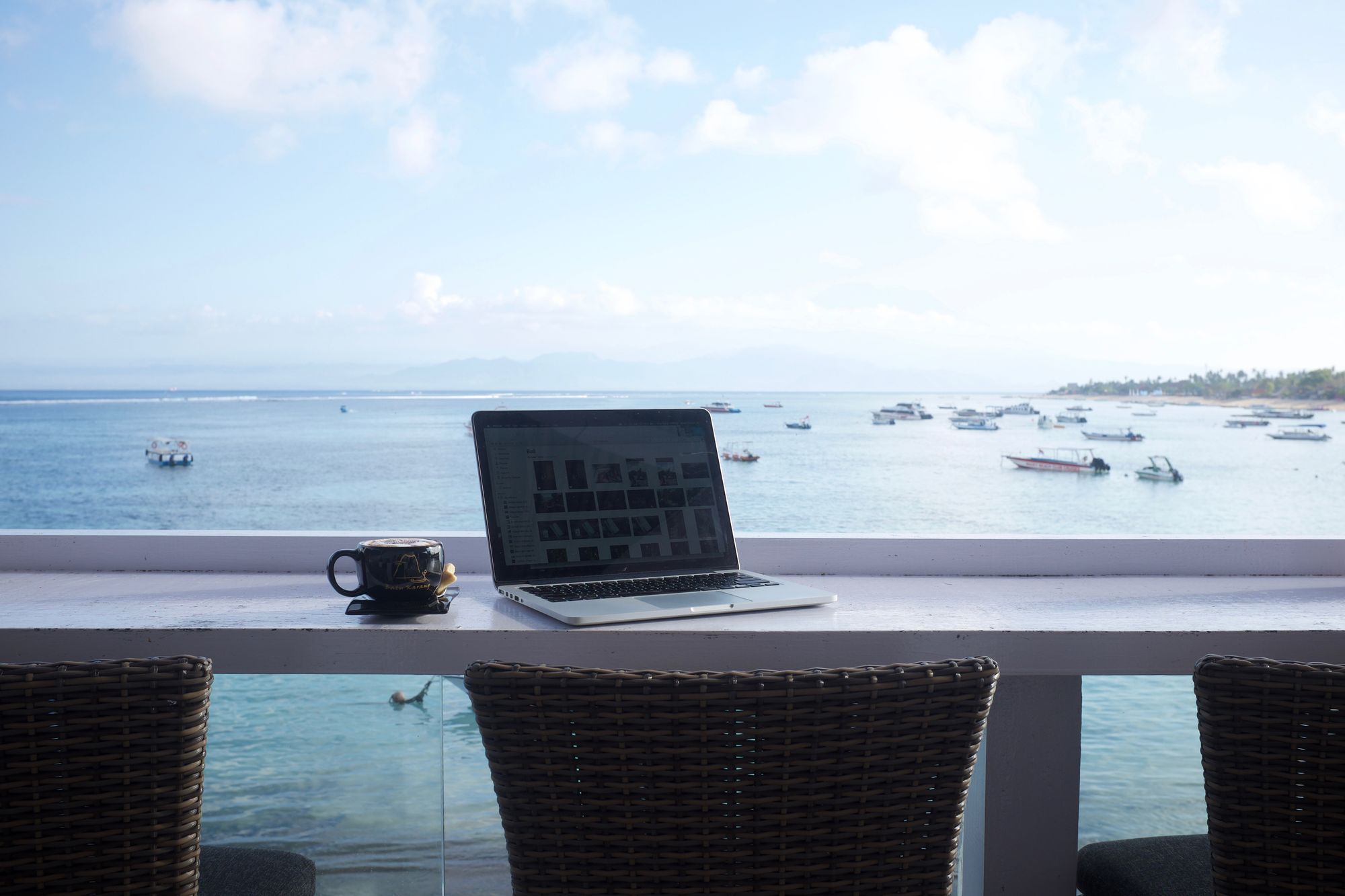
Phuket Town is the historic and administrative heart of Phuket — the Sino-Portuguese architectural core, the location of the Provincial Land Office, the medical hub with both Joint Commission International (JCI)–accredited private hospitals, and increasingly the digital-nomad alternative to the more expensive beach areas. For foreign buyers, Phuket Town offers the lowest condo entry prices on the island, slower but more stable appreciation, and a fundamentally different lifestyle from the resort-coast areas.
This article covers the area’s character, infrastructure, property market, and who it fits. It builds on the broader Buying property in Phuket — complete guide for foreign buyers and Phuket districts overview — every area compared for foreign property buyers.
To compare Town’s urban market separately from premium east-coast enclaves and west-coast beach areas, see Phuket west coast vs Town and east coast — a property buyer comparison.
Where is Phuket Town in Phuket?
Phuket Town (officially Mueang Phuket, the Talat Yai sub-district at its core) sits on the central-east side of Phuket island. The historic Old Town core is concentrated along Thalang, Dibuk, Krabi, and Phang Nga Roads — the streets where the Sino-Portuguese shophouses cluster.
Distances to other parts of Phuket:
- Beaches — Patong and Karon roughly 25 min by road; Bang Tao 30–40 min
- Phuket International Airport — ~32 km north, ~35–45 min off-peak
- Cape Yamu / east coast premium — ~15–20 min north
- Chalong (south) — ~10–15 min south, gateway to Rawai/Nai Harn
The “central” position means Phuket Town is reachable from anywhere on the island in 30–45 min, but no single beach is within walking or short-drive distance. Daily beach use requires deliberate driving.
What is Phuket Town like to live in?
The defining feature is the Sino-Portuguese architecture — late-19th and early-20th-century shophouses and mansions built when Chinese tin-mining wealth fused with Portuguese-influenced design. Pastel facades, arched windows, carved wooden doors. Concentrated in the Old Town core but visible throughout the central area.
Lifestyle anchors:
- Lard Yai (Sunday Walking Street) — every Sunday from ~16:00 to 22:00, Thalang Road closes for street food vendors, artisans, live performances. The single biggest weekly event in Phuket Town.
- Soi Romanee — 125-meter lane lined with cafes and guesthouses, voted among the world’s most beautiful streets
- Street art — since the 2016 “F.A.T. Phuket” (Food, Art, Town) initiative, the area has become a street-art destination. Alex Face’s “Red Turtle Cake” mural at Romanee/Thalang is iconic
- Cafes and restaurants — strong Old Town cafe scene; Thai and international dining; less expat-resort-oriented than west coast
- Old Phuket Bus Terminal area — modernizing inland from Old Town
The atmosphere is markedly more local-Thai than the west coast. English is less universal; daily logistics involve more Thai-language interaction.
Why is Phuket Town the island’s medical and government hub?
Phuket Town concentrates the island’s institutional infrastructure — both JCI-accredited private hospitals, the Provincial Land Office, and the island’s largest mall complex are all here.
Hospitals (both JCI-accredited):
- Bangkok Hospital Phuket — large private hospital, BDMS network, on Hongyok Utis Road
- Bangkok Hospital Siriroj (formerly Phuket International) — JCI-accredited, founded 1982, on Chalermprakiat Ror 9 Road (Bypass Road, next to Big C). Wide specialty range, 24-hour ER
For owners across all of Phuket, these are the medical reference points — west-coast areas like Bang Tao and Layan are 30–40 minutes away from them, longer in high-season traffic. Phuket Town residents have them on the doorstep.
Government and administrative:
- Phuket Provincial Land Office at 36 Damrong Road — where every Phuket land/condo title transfer is registered
- Phuket Provincial government offices
- Phuket Provincial Court
- Tourist Authority of Thailand Phuket office
Retail and shopping:
- Central Phuket (Festival wing 2004 + Floresta wing 2018) — the island’s largest mall complex on Vichitsongkram Road, just outside Old Town
- Big C adjacent to Bangkok Hospital Siriroj
- Tesco/Lotus’s nearby
- Small local markets and shops throughout the area
For practical day-to-day services, Phuket Town has the deepest infrastructure on the island after Bang Tao.
What international schools serve Phuket Town?
International school options are mostly outside Phuket Town proper but within reasonable commute:
- HeadStart International School — Wichit/City campus is in the Phuket Town area
- QSI International School of Phuket — Kathu, ~20 min west
- BISP — Koh Kaew, ~20 min east
- Berda Claude / BCIS — Chalong, ~10 min south
For families with school-age children, Phuket Town’s school commute is shorter than from many other areas (the cluster is in the central-east, not concentrated in any single area). For families specifically wanting UWC Thailand (Thalang) — that’s a longer 25–30 min drive. See Phuket international schools and family districts guide for how Phuket Town’s school access compares against every other Phuket family area.
How much does property cost in Phuket Town?
Phuket Town inventory is consistently the most affordable urban entry point in Phuket — per-square-metre pricing typically sits below the island-wide average.
Notable condo developments:
- Supalai Park @ Phuket City — the established budget-entry benchmark
- Supalai Lagoon — newer Supalai inventory
- D Condo, Ozono Condo Phuket, The Title, Rich Park, Plus Condo II — additional inventory across mid-tier
- Older shophouse-conversion units in the historic core (rare, niche market)
What’s the pricing picture in Phuket Town?
The range runs from older studio resales at the very bottom through entry and mainstream 1-bed and 2-bed condos to newer premium projects in the mid-tier.
Specific price points move with the market. Get current pricelists from a Phuket-resident agent. Capital appreciation has been slow but steady; the area is described as an “undervalued urban core” with upside as it gentrifies, but without the supply-pressure issues of mass-market Cherngtalay condos. For the current asking-price trend from active listings, see Phuket City property prices; for the island-wide comparison, see the Phuket quarterly property market report.
What is the rental market like in Phuket Town?
Phuket Town’s rental market is structurally long-term tenant-driven — different from the tourist-rental dynamics of the west coast. Long-term rental yields are lower in absolute terms than west-coast short-term rental (STR) but more stable, with lower management overhead and smaller seasonal vacancy. For yield mechanics in detail: Rental yields in Phuket — what investors actually earn.
Demand profile:
- Digital nomads — the fastest-growing segment. Long-stay rentals are dramatically below west-coast equivalents, with a growing co-working and co-living infrastructure across the Town.
- Thai middle class working in government, hospitals, banking, retail
- Budget retirees (Russian, Western European) priced out of Rawai/Kata
- Long-stay expats prioritizing hospital and government access over beach proximity
The DTV (Destination Thailand Visa) — see DTV (Destination Thailand Visa) — five years, 180 days per entry, ฿500,000 in the bank — has visibly accelerated digital-nomad demand in Phuket Town since launch in mid-2024.
For Hotel Act exposure (Short-term rental in Thailand — Hotel Act 2004 reality and Phuket enforcement): less relevant in Phuket Town than elsewhere because the demand profile is overwhelmingly long-term tenant focused, not STR.
What are the pros and cons of buying in Phuket Town?
Buying in Phuket Town trades beach proximity and resort amenities for the island’s deepest institutional infrastructure and its lowest condo entry prices.
Pros
- Lowest condo entry price on the island — meaningful for budget-constrained buyers
- Authentic Sino-Portuguese heritage — walkable Old Town, strong cafe and street-art scene
- Adjacent to both JCI hospitals — medical infrastructure on the doorstep
- Adjacent to Land Office — convenient for transactions, renewal of Tabien Baan, etc.
- Central Phuket mall + Big C + Tesco — deepest practical retail infrastructure on the island
- Stable long-term rental demand — low seasonal volatility
- Growing digital-nomad scene with DTV visa support
- Strong school cluster nearby — HeadStart, BISP, BCIS all reachable
Cons
- 25+ minutes to any swimmable beach — daily beach lifestyle requires car/scooter
- Lacks resort-style amenities — not a vacation rental market
- Smaller foreign-buyer resale pool than Bang Tao or Patong — though the digital-nomad segment is growing
- More Thai-language-dependent for everyday services than west-coast expat zones
- Less “Phuket vacation” feel — for owners who specifically want beach lifestyle, Phuket Town is not it
Who is Phuket Town right for?
Budget-constrained foreign buyers. The lowest entry prices in Phuket — entry 1-bed condos here sit well below west-coast equivalents.
2. Digital nomads and remote workers. Lower cost of living, growing co-working scene, DTV-aligned tenant pool, walkable Old Town lifestyle.
3. Long-stay residents prioritizing hospital and government access. Adjacent to both JCI hospitals, easy government interactions, deep practical infrastructure.
4. Thai-leaning lifestyle preferences. Local markets, Thai food scene, less expat-resort feel.
5. Long-term rental income investors targeting low management overhead. Stable tenants, low seasonality, no Hotel Act friction.
Who should not buy in Phuket Town?
Phuket Town might not be the right fit for buyers who want daily beach access, maximum STR yield, or a resort-vacation feel.
Beach-lifestyle buyers — Bang Tao, Rawai, Kamala for daily beach access.
STR-focused investors needing high yields — Patong gross yields are dramatically higher.
Vacation-property buyers — the area doesn’t fit the “Phuket vacation” thesis.
Capital-appreciation-focused investors — Layan and Kamala villas have outperformed; Phuket Town appreciation is slower.
Foreign families requiring full English-speaking environment — Phuket Town is more Thai than west coast.
Should I buy in Phuket Town or near a beach for long-term living?
For a buyer who wants hospital and government access on the doorstep and doesn’t need daily beach access, Phuket Town is the stronger long-term-living choice. Both JCI-accredited hospitals (Bangkok Hospital Phuket and Bangkok Hospital Siriroj) and the Provincial Land Office are inside the area, versus a 30–40 minute drive from west-coast areas like Bang Tao or Layan, longer in high-season traffic — see Bang Tao and Cherngtalay area guide — one of Phuket's deepest property markets and Layan area guide — Phuket's premium villa appreciation zone for the west-coast side of that trade-off.
The trade-off runs the other way for beach access: Phuket Town sits about 25 minutes from the nearest west-coast beach, so daily beach use means a deliberate car or scooter trip either way. Buyers who want beach at the end of the road should compare Bang Tao, Kamala or Rawai instead; buyers who want services within walking distance and are comfortable trading away the beach get more of that in Phuket Town than anywhere else on the island.
What should I check before buying property in Phuket Town?
Before buying in Phuket Town, check the budget-entry price point, the digital-nomad rental thesis, and treat appreciation as a bonus rather than the plan:
- Phuket Town is the budget-entry play in Phuket. For buyers at the modest end of the foreign-buyer capital range, Phuket Town offers a real foothold at a price point that doesn’t exist elsewhere on the island.
- The DTV-driven digital-nomad demand is structurally growing. Long-term rental thesis is strongest here for foreign owners targeting that tenant pool.
- Don’t expect appreciation to drive returns. Phuket Town is a yield-and-stability play, not an appreciation play. Treat capital appreciation as bonus, not as the investment thesis.
For broader Phuket context: Buying property in Phuket — complete guide for foreign buyers, Phuket districts overview — every area compared for foreign property buyers. For digital-nomad tenant context: DTV (Destination Thailand Visa) — five years, 180 days per entry, ฿500,000 in the bank and Rawai and Nai Harn area guide — buying property in southern Phuket (the other DTV-friendly area). For ownership and tax: Foreign property ownership in Thailand — what you can and cannot own and Taxes and fees when buying property in Thailand — full 2026 breakdown.