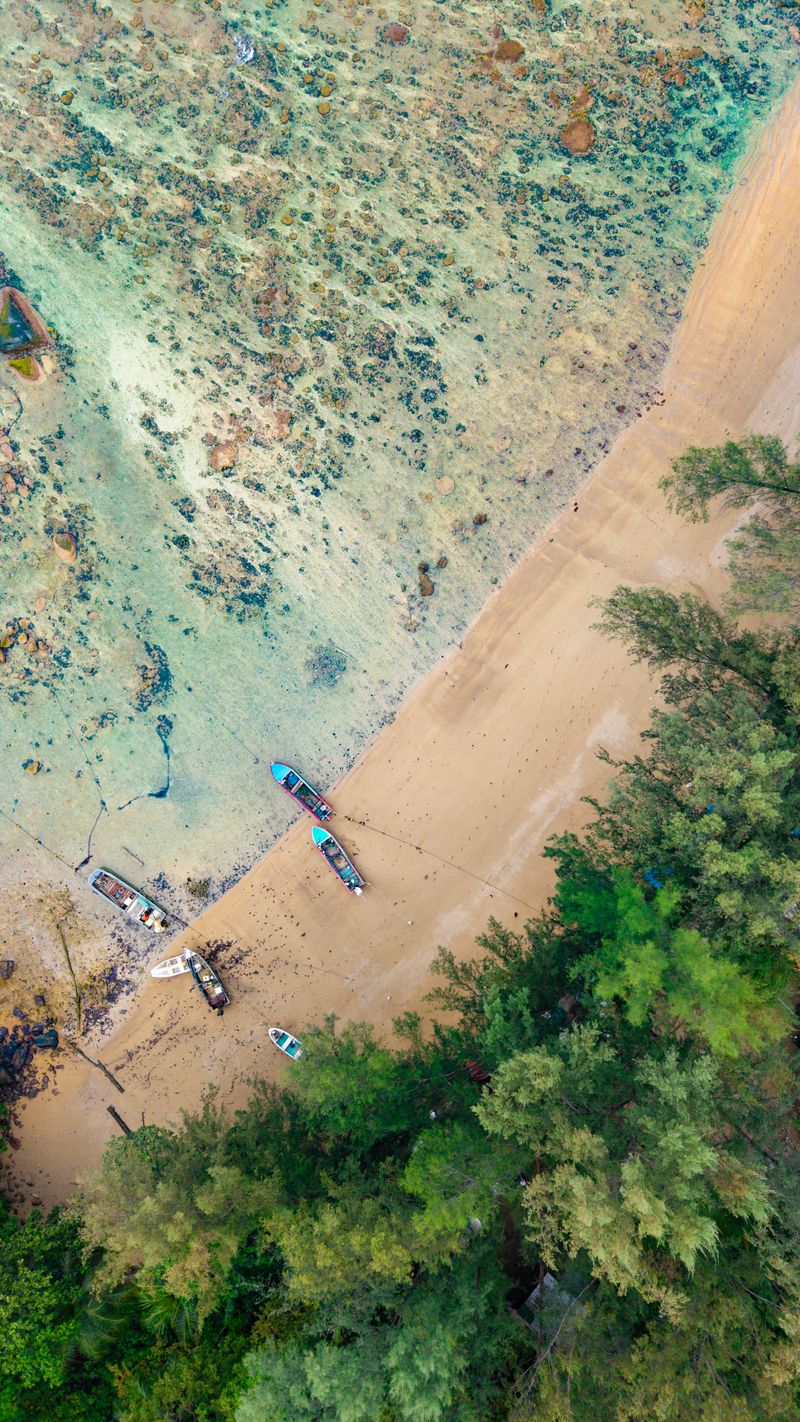
The most underpriced demand on Phuket today sits in the south of the island. Bang Tao has finished forming as a premium cluster with an entry price to match, Karon and Kata hold mature resort demand, and Nai Harn and Rawai still offer the sea, a slower rhythm and a much lower way in while buyer interest keeps climbing.
That is how Aleksandr Davydovsky, founder of the developer Art House Group, described the market on 14 August at an open meeting for agents and brokers in Phuket. The figures below on land, build costs and the hotel model are his estimates from the group’s projects.
The buyer arrives with a spreadsheet
The client who flew in on holiday, saw a brochure, drove out to view and bought on the feeling of the place has become rare. Today’s buyer studies the market before the flight, compares projects and locations, works out yield and running costs, checks the developer and the paperwork, and talks to several agents at once so their answers can be set against each other. The decision takes months — and that buyer often ends up owning more than one unit and staying in the market for years.
That changes the conversation on the selling side. A good render and a terrace view no longer close anything. The buyer wants figures, an exit scenario and documents, and finds every inconsistency without help.
Five things a serious buyer takes apart
Build quality — construction, materials, layouts, management. Price — cost of entry, comparison with the market, the expenses nobody mentions. Yield — rental model, rate, occupancy, operating costs. Liquidity — location, depth of demand, how a resale would actually go. Legal standing — title, contracts, restrictions. Every buyer ranks these differently, and finding out their order is where a sensible search starts.
Yield is three numbers, not one
Occupancy, the nightly or monthly rate, and operating costs: a percentage only means something once all three are on the table. Monthly rental is the simple version — less service, fewer staff, lower costs, and with them a lower rate and lower occupancy. A hotel operator plugs the unit into a booking system and a brand, lifts both occupancy and nightly rate, and needs back-of-house space, breakfasts, a concierge and housekeeping to do it, which costs more to run. Those three are only the top line of the model: the net figure also depends on management fees, vacancy, maintenance and repairs, tax, and whether the unit can legally be let short-term at all — the rental yields guide walks through the full checklist.
The first year under a new hotel brand is usually the weakest one: reviews and recognition are still being built, and income settles from the second year. The format carries one more cost that only shows up in the project drawings — lifts, restaurants, storage and service areas that are never sold to anyone.
New stock climbs into premium, mid-budget demand moves to resale
Land on the island has multiplied in price: plots that changed hands at 8 million baht per rai now trade above 15. On top of that sit the floor area ratio limits Thai authorities began tightening this year, which cut the buildable metres a plot yields, most sharply in the low-rise zones. The result is that the launch price of a new project — what those land and build costs force the developer to ask — lands around 160,000 baht per square metre, while mid-budget demand sits at 100,000–120,000.
That gap closes in two ways, and both are already visible. New off-plan stock gets more expensive and moves into premium and luxury, while the buyer with a middle budget goes for completed units and the resale market. The direction matches what Nation Thailand described in January 2026, citing KKP Research and the Real Estate Information Center: developers are leaving the mass-market playbook for luxury niches, while Phuket keeps running at roughly a thousand condominium transfers to foreign buyers a year and grew about 10% through 2025.
Where demand is moving, district by district
Bang Tao has been through its urbanisation and now reads as a premium cluster: infrastructure, brands, a high cost of entry and further densification ahead. Karon and Kata are mature resort districts with steady tourist flow and a rental model anyone can model on paper.
Nai Harn and Rawai still hold growth the price has not caught up with. Nature, a quieter pace, marine infrastructure and a lower entry point pull in both tenants and the buyer who does the arithmetic. That discount is closing, which is what makes the south the most interesting demand vector on the island right now.
Where the numbers end and judgement begins
Build costs, sellable-area shares and land prices here are the developer’s estimates from its own projects and transactions rather than audited statistics. The new city plan and its density coefficients have not been published in open form, so what they will do to supply remains an estimate. The call on the south is a market view, and it does not replace running the numbers on a specific unit.