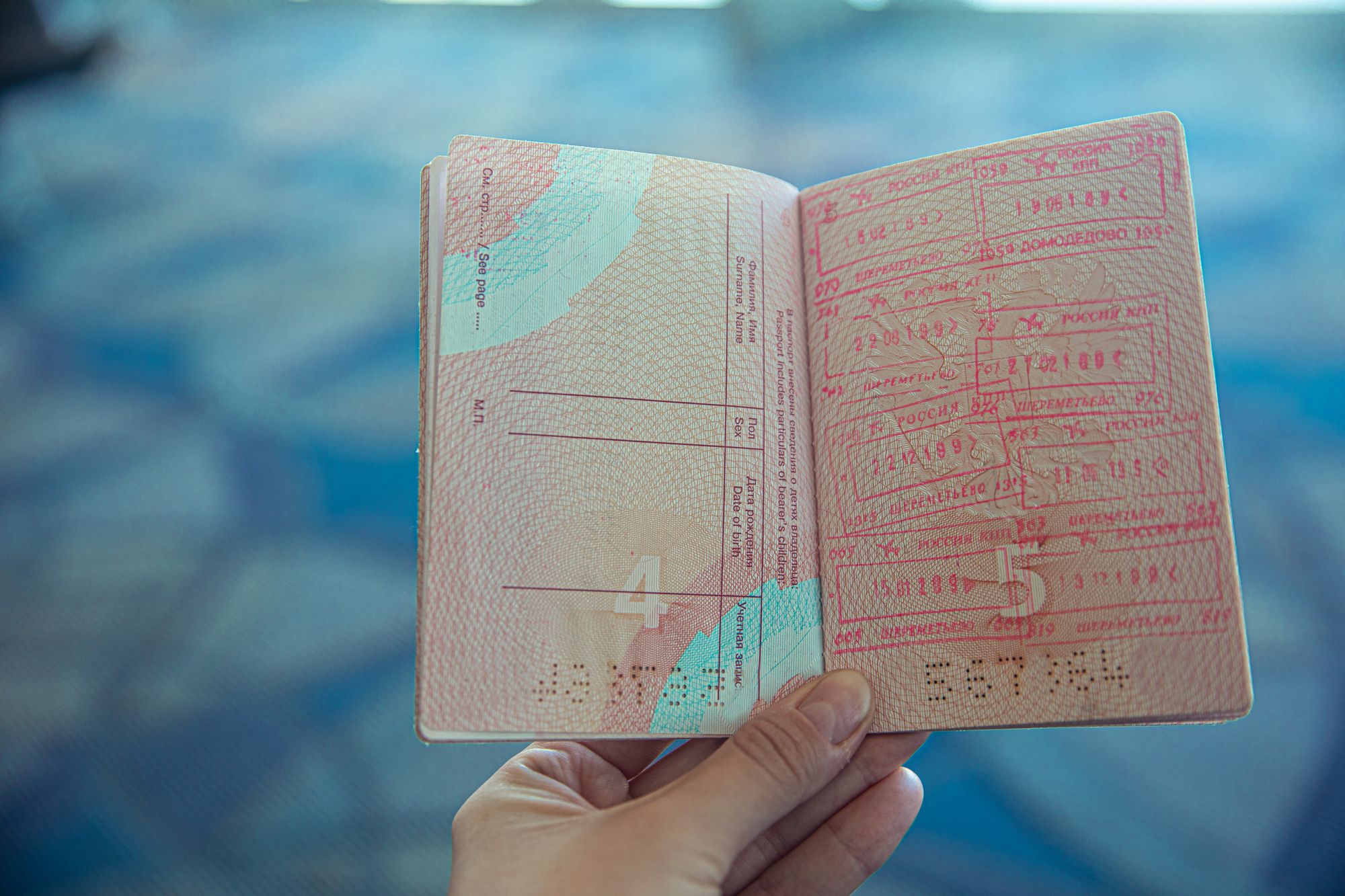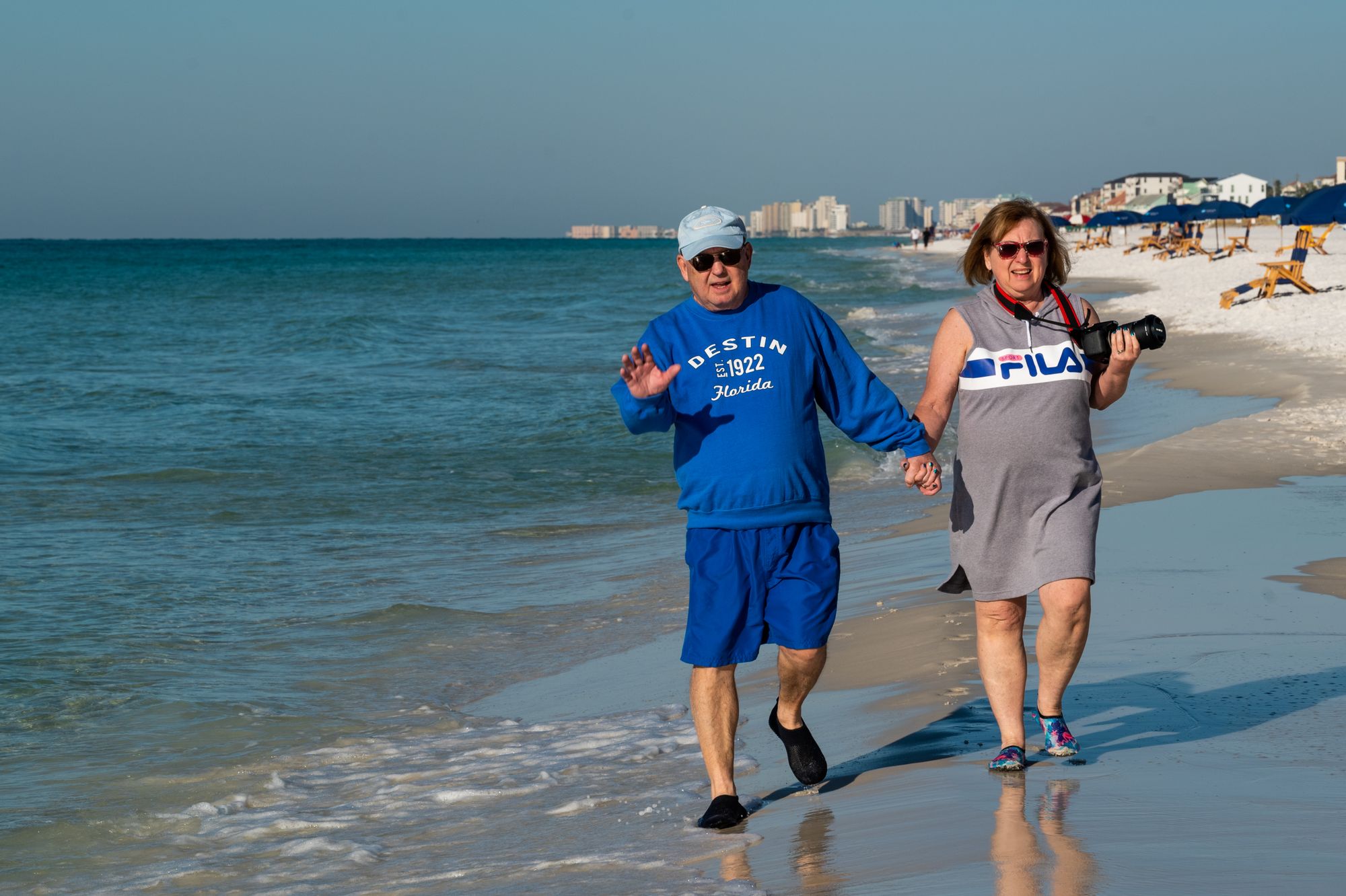
شراء المنزل يجيب عن سؤال أين ستعيش، لا عن سؤال ما الذي يتيح لك البقاء. بالنسبة لمشترٍ في الخمسين أو أكثر، تكون تأشيرة التقاعد عادةً المسار الذي يرسو عليه بقية الانتقال، ولها اختبارها المالي الخاص وشرط التأمين والتجديد السنوي — ولا شيء من ذلك يستوفيه شراء العقار وحده. المقالة الكاملة عن تأشيرة التقاعد تتناول المقارنة بين O-A وO-X وبديل LTR وتفاصيل التقديم كاملة؛ أما هذه المقالة فهي النسخة المختصرة، وتركّز على خطأ تخطيطي واحد يخص تحديدًا من يصل إلى هنا بعد الشراء: إنفاق المال ذاته الذي يتوقع اختبار التأشيرة أن يراه.
لماذا تعود إلى تأشيرة التقاعد بعد شراء منزل؟
لأن امتلاك عقار تايلاندي لا يغيّر شيئًا في وضعك من حيث الهجرة. ملكية العقار وأهلية التأشيرة اختباران قانونيان منفصلان، وتأشيرة التقاعد واحدة من المسارات القليلة للإقامة الطويلة المبنية على العمر والدخل بدل حجم الاستثمار — وهو ما يجعلها وثيقة الصلة هنا: فهي الخطوة التالية الطبيعية لمشترٍ في الخمسين أو أكثر أنهى للتو أكبر قرار إنفاق في رحلة الانتقال، ويحتاج الآن أساسًا للإقامة لا يعتمد عليه.
كم تحتاج من المال، بمعزل عن ميزانية العقار؟
฿800,000 في حساب مصرفي تايلاندي مؤهل، أو دخل شهري قدره ฿65,000، أو مزيج مؤهل بينهما — وهو الاختبار المالي المعتاد لتأشيرة O-A، ولا يتغيّر بأي شيء اشتريته. الخطأ الخاص بهذه النقطة من التسلسل: مشترٍ وضع معظم رأس ماله السائل في شراء العقار ثم راجع شرط التأشيرة بعد ذلك، فاكتشف أن المبلغين لم يكن مقصودًا لهما أن يتداخلا أصلًا. خصّص أموال تأشيرة التقاعد كبند منفصل قبل تثبيت ثمن الشراء، لا كما يتصادف أن يتبقى بعده.
ما التأمين الصحي الذي تشترطه تأشيرة التقاعد؟
تشترط O-A حاليًا تأمينًا صحيًا لا يقل عن USD 100,000 أو ฿3,000,000، بحسب وزارة الخارجية التايلاندية. أما O-X، المتاحة لمجموعة أضيق من الجنسيات بعتبة مالية أعلى، فلها مبلغ تأمين خاص بها. أكّد الشرط الساري مع السفارة أو مكتب الهجرة قبل شراء الوثيقة — المقالة الكاملة تتضمن مقارنة تفصيلية بين O-A وO-X.
كيف يسير التجديد السنوي؟
تُجدَّد O-A كل عام داخل تايلاند، ويسري واجب التبليغ عن العنوان كل 90 يومًا طوال مدة حملك لها — عادة نموذج TM47 نفسها من مرحلة سابقة في تسلسل الانتقال تستمر ببساطة تحت تأشيرة التقاعد بدل أن تنتهي بمجرد امتلاكك عقارًا. احتفظ بإثبات رصيد الحساب ووثيقة التأمين وتقويم التبليغ معًا؛ فغياب واحد من الثلاثة عند التجديد هو نمط الإخفاق المعتاد، لا تغيّر في القاعدة نفسها.
ماذا لو لم تبلغ الخمسين بعد، أو أردت حق العمل؟
تناسب تأشيرة التقاعد المتقدمين في الخمسين أو أكثر فقط، ولا تمنح أي تصريح عمل. مقارنة تأشيرات الإقامة الطويلة الواردة سابقًا في هذه السلسلة تتناول بدائل DTV وThailand Privilege وLTR بحسب ملف المشتري، إن كان العمر أو حق العمل يستبعد مسار التقاعد.
ما الخطوة التالية في تسلسل الانتقال؟
السؤال التالي في الانتقال — العمل أو إدارة نشاط تجاري في تايلاند — تتناوله مقالة العمل أو إدارة نشاط تجاري في تايلاند بعد انتقالك.