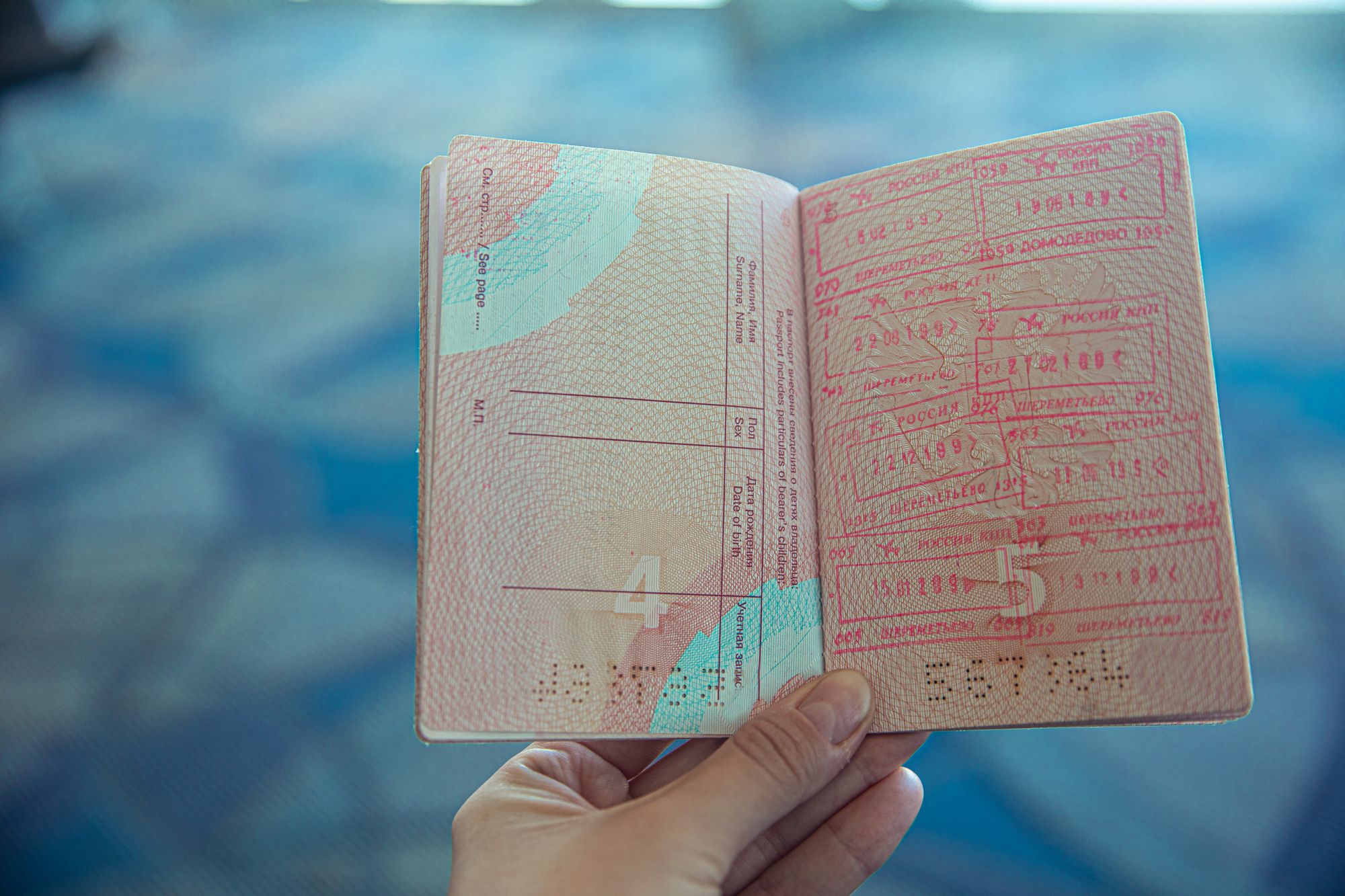
A first trip to Thailand to view property, meet a lawyer, or scout a neighbourhood almost always starts on the same document: the visa exemption stamp issued on arrival, not a visa applied for in advance. It is the default entry status for most foreign visitors, and it is deliberately short — long enough for a serious scouting trip, not long enough to live on.
This article covers what the stamp allows, how long it lasts with its one extension, what it does not allow, and the change to the scheme that takes effect on 15 September 2026.
What is Thailand’s visa exemption, and who qualifies?
The visa exemption is an entry stamp granted on arrival, not a visa applied for at an embassy — nationals of 93 countries and territories qualify for it when visiting for tourism, business engagements, or other short, non-employment purposes. No application, interview, or embassy visit is required beforehand; the stamp is issued by an immigration officer at the port of entry.
The one advance step that does apply: since 1 May 2025, every foreign national arriving by air, land, or sea must complete the Thailand Digital Arrival Card (TDAC) online within 72 hours before arrival. It replaces the old paper TM.6 arrival card and is separate from the visa exemption decision itself.
How long can you stay on a visa exemption?
Until 14 September 2026 the visa exemption permits a 60-day stay per entry, in force since 15 July 2024 (the category allowed 30 days before that date). From 15 September 2026 it is 30 days per entry for the 59 countries and territories on the new list — see the last section.
- One extension of 30 additional days is available at any Immigration Bureau office inside Thailand, applied for before the original stamp expires, using form TM.7 and a THB 1,900 fee.
- Combined, that gives a maximum of 90 days on a single entry — 60 days on arrival, plus the one 30-day extension.
- The extension is granted at immigration officer discretion; it is not automatic, and there is no second extension of the same stamp. A longer stay after that requires leaving Thailand and either re-entering on a fresh visa exemption or holding a different visa category.
- Applicants for a visa exemption stamp should be able to show adequate funds for the stay — commonly cited as THB 10,000 in cash per person or THB 20,000 per family, checked at immigration discretion rather than routinely enforced at every entry.
What can’t you do on a visa exemption?
The visa exemption is built around visiting, not settling, and its limits follow from that:
- No employment. The stamp does not include permission to work for a Thai or foreign employer, paid or unpaid. Taking up employment in Thailand — even remote work for a foreign client while physically in the country — requires a separate Non-Immigrant B visa and a work permit under the Alien Employment Act; the visa exemption category simply does not cover it.
- No property or land right. Entry status and property rights are unrelated. A visa exemption stamp lets you sign paperwork and view property in person; it grants no ownership right of its own — see Thailand visas for property buyers: routes, costs, work and tax for how the two are actually connected.
- No automatic renewal into a longer visa. The one 30-day extension is the ceiling for this stamp; converting to a longer-stay category (retirement, LTR, DTV, and the rest) is a separate application, not an upgrade of the visa exemption itself.
- No guaranteed bank account. Some bank branches will open an account for a visitor on a visa exemption stamp with supporting evidence, such as a signed property purchase agreement; it is a branch-level decision, not an entitlement — see Opening a Thai bank account as a foreigner — requirements and process.
When does the 60-day visa exemption end?
On 15 September 2026. Thailand’s Cabinet first approved cancelling the 60-day visa exemption in May 2026, then approved the specific replacement framework on 14 July 2026 (the date the government’s own cabinet-meeting summary carries): one country or territory, one entry category, covering 64 countries and territories in total. Of those, 59 move to a 30-day visa exemption (including India and all 27 EU member states), 2 (Mauritius and Seychelles) move to a 15-day exemption, and 3 (Azerbaijan, Belarus, and Serbia) move to Visa on Arrival as part of the same revision — not a separate, pre-existing track.
The Ministry of Interior notifications were published in the Royal Gazette on 31 August 2026 and take legal effect 15 days later, on 15 September 2026. A grandfather clause covers the transition: anyone already in Thailand, or who enters before that date, keeps the stay length they were granted on arrival rather than having it shortened mid-stay. Entries through a land border under the new exemption are capped at twice per calendar year, with named exceptions. Houseviser’s report on the notifications: Thailand cuts visa-exempt stays from 60 days to 30.
Because this is a live policy change, check the Immigration Bureau or Royal Thai Embassy links below for the current rule before planning an arrival date around it.
Does a visa exemption stay count toward Thai tax residency?
Not from a single stay, but the count is cumulative across a calendar year. Thai tax residency runs on its own test under Revenue Code Section 41: 180 or more days of physical presence in Thailand in a calendar year, added across every entry in that year — not the length of any one visa exemption stamp. A single 60- or 90-day visa exemption stay does not reach that threshold by itself. A visitor who returns on repeated visa-exemption entries within the same year, however, can cross 180 cumulative days without ever holding a longer-stay visa — see Thailand tax residency rules and the 180-day threshold for how that count works and what it triggers.
What if you want to stay longer than a first visit?
A visa exemption stay works well for exactly what it is built for: a scouting trip, property viewings, meetings with a lawyer or agent, and the due-diligence work that precedes a purchase. Up to 90 days is enough to see a market properly and open the groundwork before going home to plan further. It is not a relocation plan on its own — nothing about the stamp is renewable, sponsored, or convertible into a longer stay from inside Thailand beyond its one extension.
The next article in this series, staying in Thailand longer than a tourist, works through the realistic longer-stay routes — the DTV, Non-Immigrant O/O-A, Thailand Privilege, and LTR visas — compared by who each one actually fits rather than by a feature checklist. If you already know which profile you fit, the dedicated guides go deeper: DTV (Destination Thailand Visa) — five years, 180 days per entry, ฿500,000 in the bank for remote workers and digital nomads, Thailand retirement visa for property owners — O-A and O-X compared for retirees 50 and over, Thailand Privilege (Elite) Visa for property buyers — tiers, costs, fit for payment-based residency, and LTR (Long-Term Resident) visa — US$500,000 in Thai property, ten years for wealthy buyers seeking continuous residency and a tax exemption.