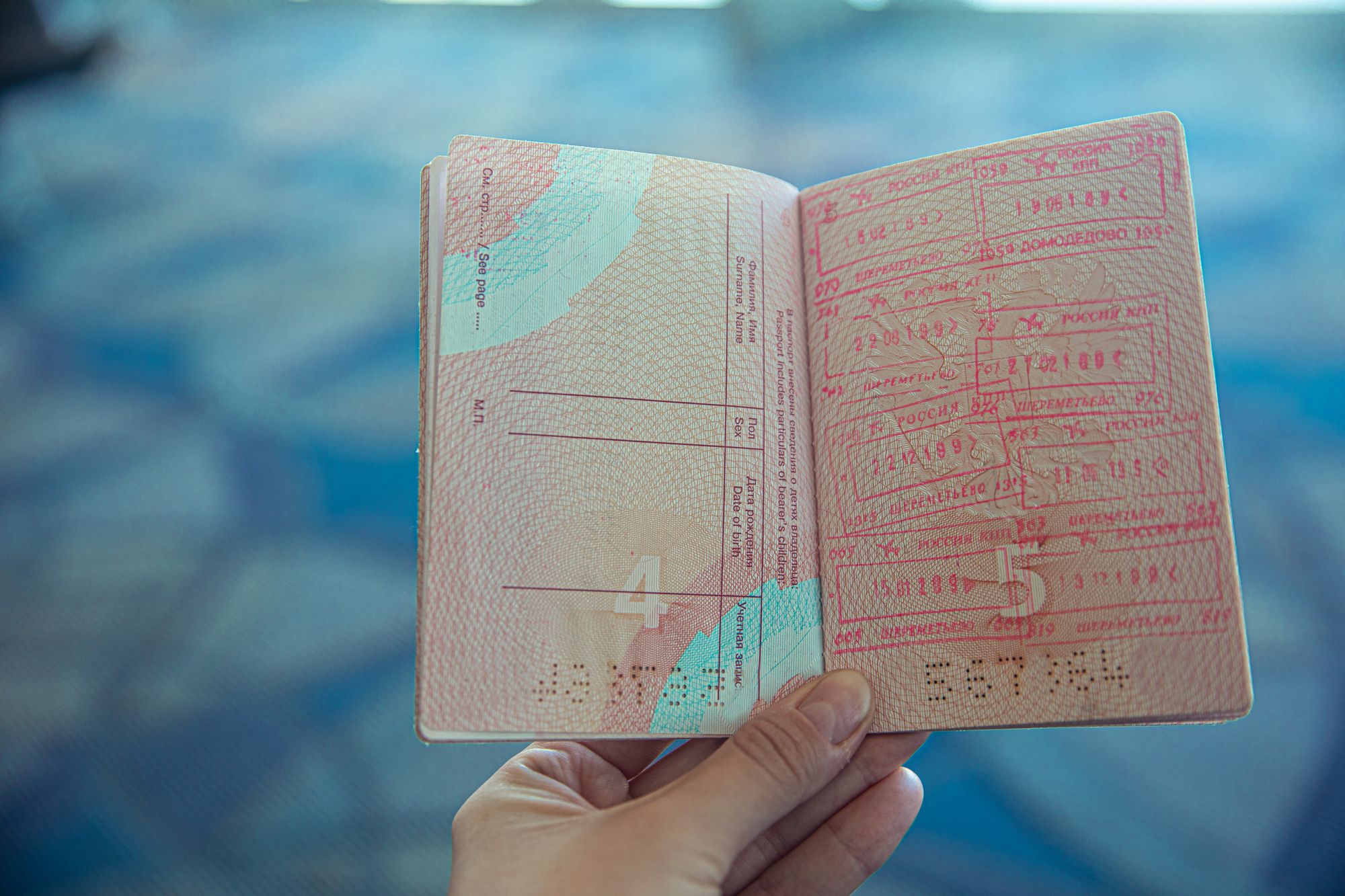
A first visit runs on a visa exemption stamp — up to 90 days, covered in the previous article in this series. Staying past that means picking a real visa category, and Thailand’s four realistic long-stay routes for a foreign property buyer — the DTV, the Non-Immigrant O/O-A family, Thailand Privilege (formerly Elite), and the LTR — are not ranked best to worst. Each is built around a different buyer profile, and the honest comparison is who each one actually fits, not a feature checklist.
This article sorts the four routes by that profile and links to the dedicated guide for each one rather than restating its detail. For the property-ownership side of the question — and the investment-based extensions this article doesn’t cover — see Thailand visas for property buyers: routes, costs, work and tax.
Which Thailand visa fits a mobile remote worker who wants flexibility?
The Destination Thailand Visa (DTV) fits a remote worker or freelancer earning foreign-source income who wants the lowest financial bar of the four routes and doesn’t mind structuring their year around entries rather than one continuous stay. It requires THB 500,000 in liquid funds, runs as a 5-year multi-entry visa, and permits a 180-day stay per entry with one 180-day extension. It carries no tax exemption and no path to working for a Thai employer.
The DTV might not be the right fit for a buyer who wants to live in Thailand continuously without managing entries and extensions, or one who would otherwise qualify for the LTR’s foreign-income tax exemption — see DTV (Destination Thailand Visa) — five years, 180 days per entry, ฿500,000 in the bank for the full requirements and how the DTV compares on tax.
Which Thailand visa fits a retiree aged 50 or over?
The Non-Immigrant O-A route — and, for a smaller group of eligible nationalities with a higher threshold, O-X — fits a retiree who can show the required bank balance or income and accepts annual renewal and 90-day address reporting. O-A asks for THB 800,000 in a Thai bank, THB 65,000 in monthly income, or a qualifying combination, plus health insurance currently listed at USD 100,000 or THB 3,000,000. It requires no property purchase and confers no ownership right.
A retiree who clears the LTR’s separate, higher passive-income and investment thresholds may find the LTR Wealthy Pensioner category more convenient, since it trades annual renewal for a 10-year term and 90-day reporting for annual reporting. See Thailand retirement visa for property owners — O-A and O-X compared for the O-A/O-X detail and the LTR comparison.
Which Thailand visa fits a buyer who wants simplicity without qualifying for anything?
The Thailand Privilege visa (formerly Thailand Elite) fits a buyer who doesn’t meet the LTR’s asset threshold, isn’t 50 or a retiree, and doesn’t have the DTV’s qualifying activity — but is willing to pay for residency instead of proving eligibility for it. Current tiers run from THB 650,000 for a 5-year Bronze membership up to THB 5,000,000 for a 20-year Reserve membership, paid upfront and non-refundable. It includes no work rights and no tax benefit, and it doesn’t change the condominium foreign quota or land-ownership rules.
It might not be the right fit for a buyer who would otherwise qualify for LTR or the retirement route at a fraction of the cost. See Thailand Privilege (Elite) Visa for property buyers — tiers, costs, fit for the current tiers and what each includes.
Which Thailand visa fits a wealthy buyer who wants continuous residency and a tax break?
The LTR fits a buyer who can clear its asset or income thresholds and wants a 10-year, continuously renewable stay with annual rather than 90-day reporting — plus, for three of its four categories, exemption from Thai tax on remitted foreign-source income. The relevant category for most property buyers is Wealthy Global Citizen: USD 1,000,000 or more in global assets, with a qualifying Thai investment of USD 500,000 or more — which a Thai property purchase can satisfy. The government fee is THB 50,000 for the full 10-year visa, far below Thailand Privilege’s tiers, but only for buyers who clear the asset test.
It might not be the right fit for a buyer who can’t meet the USD 1 million asset threshold or the Wealthy Pensioner category’s income and investment requirements — Thailand Privilege or the DTV cost less to obtain in that case, without the tax exemption. See LTR (Long-Term Resident) visa — US$500,000 in Thai property, ten years for the four LTR categories and how the tax exemption works.
What if none of these four routes fit — is buying property itself a route to a visa?
Not directly, but two narrower extensions exist for a buyer who already holds Non-Immigrant status: a long-standing THB 10 million investment extension, and a THB 3 million route reopened on 1 October 2025 that requires a Ministry of Tourism and Sports certification letter. Both are annual extensions of temporary stay, not multi-year visas, and neither includes the tax exemption or continuous-residency structure the four routes above offer. See Thailand property investment visa — the THB 10M and THB 3M routes for the requirements and Thailand visas for property buyers: routes, costs, work and tax for how they sit alongside DTV, retirement, Privilege, and LTR in the full decision hub.
Do you need one of these visas to buy Thai property?
No. Buying property and holding a long-stay visa are separate decisions under separate rules, and a visa exemption stamp is enough to sign a purchase contract on a first visit. Choosing among the DTV, retirement, Privilege, and LTR routes is about how you want to live in Thailand afterward — continuously or seasonally, qualification-based or payment-based, tax-exempt or not — not about clearing a threshold to own a condo. Thailand visas for property buyers: routes, costs, work and tax separates the property-ownership question from the immigration one in full.
What comes next after choosing a visa route?
Once a route fits your situation, the practical next question is where in Phuket to actually live before committing to a purchase. Renting for a year before you buy is how to test that choice — see Phuket districts overview — every area compared for foreign property buyers and the area guides linked from it for the geography side of the question.