Settling on a retirement visa after buying a home in Thailand

The retirement visa's financial requirements, annual renewal, and health insurance — and why the funds must stay separate from your property budget.

阅读 3 分钟

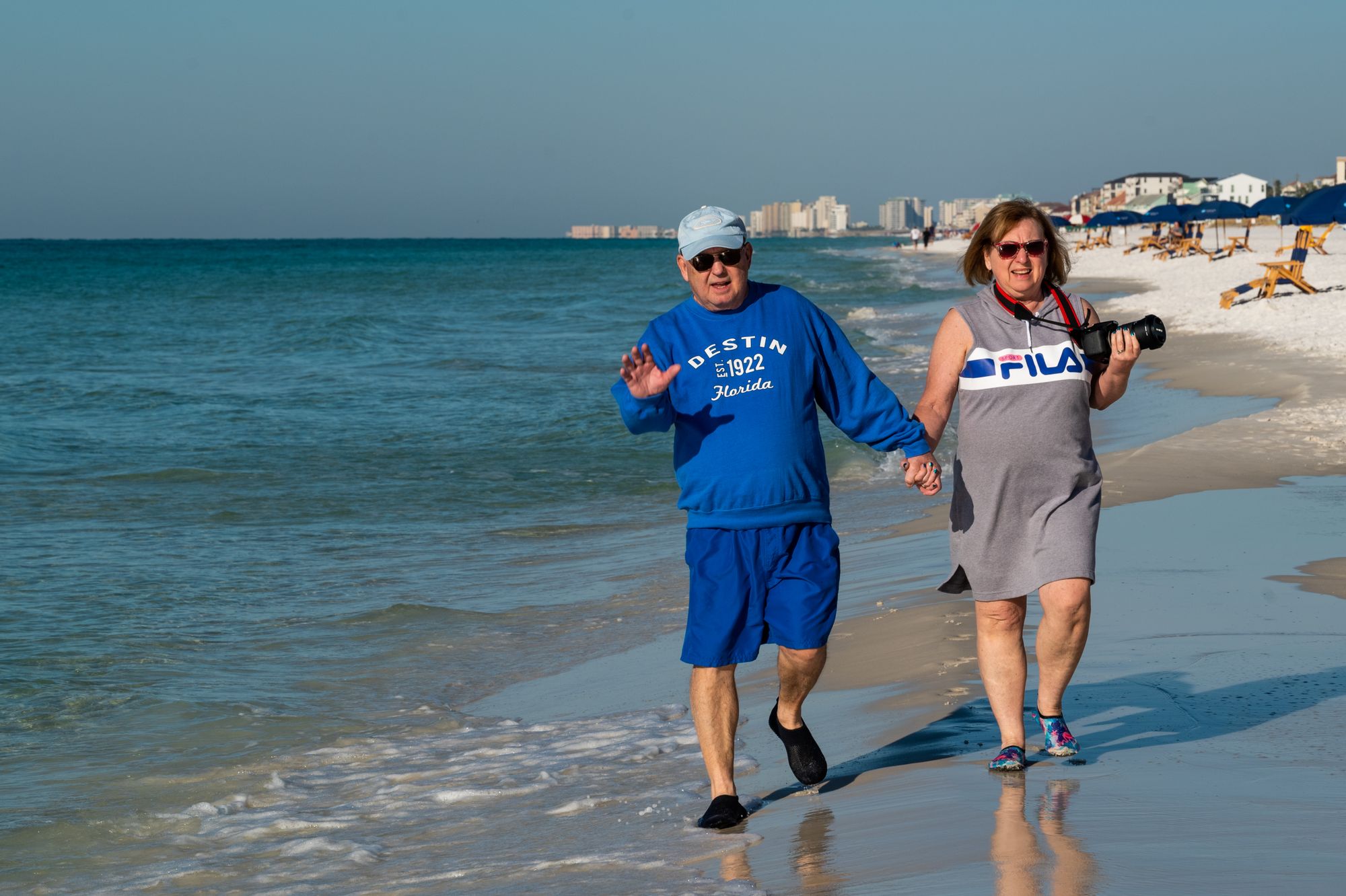
An older couple walking hand in hand along a beach
Photo: Chris F / Pexels

Buying the home answers where you’ll live; it doesn’t answer what lets you stay. For a buyer aged 50 or over, the retirement visa is usually the route that anchors the rest of the relocation, and it comes with its own financial test, insurance requirement, and annual renewal — none of which the property purchase satisfies on its own. The full retirement-visa guide owns the O-A/O-X comparison, the LTR alternative, and the complete application detail; this article is the short version, focused on the one planning mistake specific to arriving here after a purchase: spending down the exact funds the visa test expects to see.

Why come back to a retirement visa after buying a home?

Because owning Thai property changes nothing about your immigration status. Property ownership and visa eligibility are separate legal tests, and a retirement visa is one of the few long-stay routes built specifically around age and income rather than investment size — relevant here because it’s the natural next step for a buyer 50 or over who has just finished the largest spending decision of the relocation and now needs a stay basis that doesn’t depend on it.

How much money do you need, separate from your property budget?

THB 800,000 held in an eligible Thai bank account, THB 65,000 in monthly income, or a qualifying combination — the standard O-A financial test, unchanged by anything you’ve bought. The mistake specific to this point in the sequence: a buyer who put most of their liquid capital into the property purchase and only then checks the visa requirement can find the two pools were never meant to overlap. Budget the retirement-visa funds as a separate line item before the purchase price is finalized, not as whatever happens to be left afterward.

What health insurance does the retirement visa require?

O-A currently requires health insurance of at least USD 100,000 or THB 3,000,000, per the Thai Ministry of Foreign Affairs. O-X, available to a narrower set of nationalities with a higher financial threshold, sets its own insurance figure. Confirm the current requirement with the embassy or Immigration Bureau before buying a policy — the full guide carries the O-A/O-X comparison in detail.

What’s the annual renewal routine?

O-A renews every year inside Thailand, and the standard 90-day address-reporting duty runs the whole time you hold it — the same TM47 habit from earlier in the relocation sequence simply continues under the retirement visa rather than ending once you own property. Keep the bank-balance evidence, the insurance policy, and the reporting calendar together; missing any one of the three at renewal time is the usual failure mode, not a change in the underlying rule.

What if you’re not 50 yet, or want work rights?

The retirement visa only fits an applicant 50 or over, and it carries no work authorization. The long-stay visa comparison earlier in this series covers the DTV, Thailand Privilege, and LTR alternatives by buyer profile if age or work rights rule out the retirement route.

What comes next in the relocation sequence?

The next relocation question — working or running a business in Thailand — is covered in Working or running a business in Thailand after you relocate.

常见问题

Can I use my property purchase to help meet the THB 800,000 retirement-visa requirement?

No. The O-A financial test asks for THB 800,000 held in an eligible Thai bank account, or THB 65,000 in monthly income, or a qualifying combination — money already spent on a condo or a leasehold isn't available to also sit in that account. If your relocation sequence already put most of your liquid funds into the property purchase, confirm what's left over meets the visa test before you rely on it.

How much money do I need for a Thai retirement visa if I've already bought a home?

The same THB 800,000, or THB 65,000 monthly income, or qualifying combination that applies to any O-A applicant — property ownership doesn't reduce it. Budget the retirement-visa funds as a pool separate from the purchase price, not as what's left over once the property is paid for.

Do I need health insurance for a Thai retirement visa?

Yes. The O-A route currently requires cover of at least USD 100,000 or THB 3,000,000, set by the Thai Ministry of Foreign Affairs. Confirm the figure with the embassy or Immigration Bureau handling your application before buying a policy, since the requirement can change.

How often do I need to renew a Thai retirement visa?

Annually. O-A is a one-year extension renewed inside Thailand each year, with the standard 90-day address-reporting duty running alongside it — the same reporting habit from earlier in this series continues under the retirement visa rather than stopping once you own property.

没找到您想要的?

告诉我们您的需求,我们将帮您寻找

联系我们