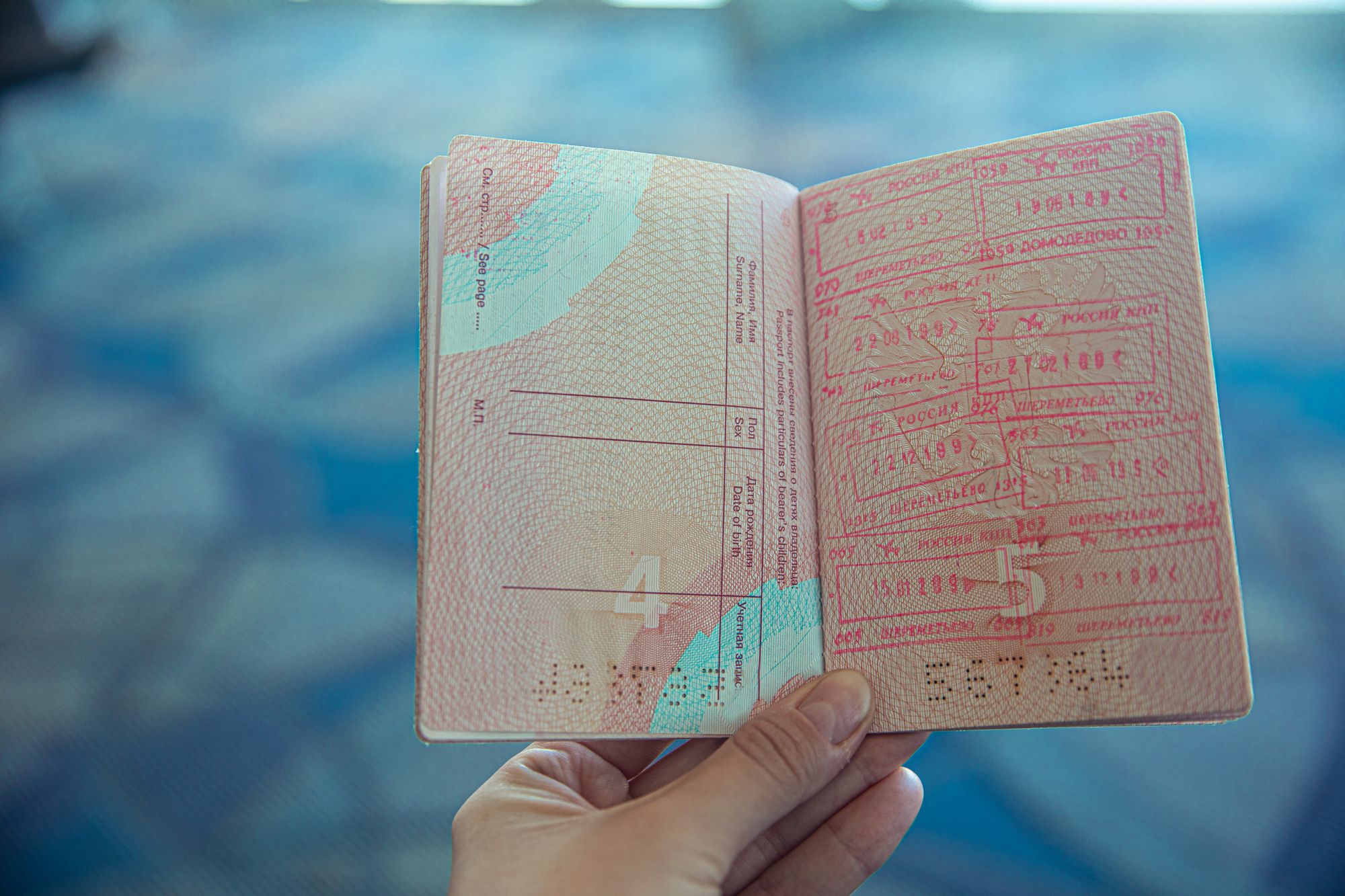
Первая поездка в Таиланд, чтобы посмотреть недвижимость, встретиться с юристом или разведать район, почти всегда начинается с одного и того же документа: безвизового штампа, который ставят по прибытии, а не визы, оформленной заранее. Это статус въезда по умолчанию для большинства иностранных гостей, и он намеренно короткий — достаточный для серьёзной разведывательной поездки, но не для того, чтобы на нём жить.
Здесь — о том, что штамп позволяет, сколько он длится с единственным продлением, чего не даёт, и об изменении схемы, которое вступает в силу 15 сентября 2026 года.
Что такое безвизовый въезд в Таиланд и кто под него подпадает?
Безвизовый въезд — это штамп, который ставят по прибытии, а не виза, оформляемая в посольстве: под него подпадают граждане 93 стран и территорий, приезжающие с туристическими, деловыми или иными краткими нетрудовыми целями. Ни заявления, ни собеседования, ни визита в посольство заранее не требуется — штамп ставит сотрудник иммиграционной службы в пункте въезда.
Один предварительный шаг всё же есть: с 1 мая 2025 года каждый иностранный гражданин, прибывающий по воздуху, по суше или по морю, обязан заполнить онлайн Thailand Digital Arrival Card (TDAC) в течение 72 часов до прибытия. Она заменила бумажную карту TM.6 и не связана с самим решением о безвизовом въезде.
Сколько можно находиться по безвизовому въезду?
До 14 сентября 2026 года безвизовый режим позволяет пребывание до 60 дней за въезд и работает с 15 июля 2024 года (до этой даты категория давала 30 дней). С 15 сентября 2026 года это 30 дней за въезд для 59 стран и территорий из нового списка — см. последний раздел.
- Одно продление на дополнительные 30 дней доступно в любом офисе Иммиграционного бюро внутри Таиланда; подать нужно до истечения исходного штампа, по форме TM.7 и с пошлиной ฿1 900.
- В сумме это даёт максимум 90 дней по одному въезду: 60 дней по прибытии плюс единственное продление на 30 дней.
- Продление предоставляется по усмотрению сотрудника иммиграционной службы, автоматическим не является, и второго продления того же штампа не бывает. Более длительное пребывание после этого требует выезда из Таиланда и либо нового безвизового въезда, либо другой визовой категории.
- Заявителю на безвизовый штамп следует быть готовым показать достаточные средства на поездку: обычно называют ฿10 000 наличными на человека или ฿20 000 на семью, проверяют по усмотрению сотрудника, а не при каждом въезде подряд.
Чего нельзя по безвизовому въезду?
Безвизовый режим построен вокруг визита, а не переезда, и ограничения вытекают из этого:
- Никакой работы. Штамп не даёт разрешения работать на тайского или иностранного работодателя, ни за плату, ни без неё. Трудовая деятельность в Таиланде — даже удалённая работа на иностранного клиента, пока вы физически в стране, — требует отдельной визы Non-Immigrant B и разрешения на работу по Закону о занятости иностранцев; категория безвизового въезда этого просто не покрывает.
- Никаких прав на недвижимость или землю. Статус въезда и права на недвижимость не связаны. Безвизовый штамп позволяет подписывать бумаги и лично смотреть объекты; собственных прав собственности он не даёт — как эти вещи связаны на самом деле, разбирает Визы Таиланда для покупателей недвижимости: маршруты, деньги и права.
- Никакого автоматического перехода в более длинную визу. Единственное продление на 30 дней — потолок этого штампа; переход в категорию длительного пребывания (пенсионная, LTR, DTV и прочие) — отдельное заявление, а не апгрейд безвиза.
- Никакой гарантии банковского счёта. Часть отделений откроет счёт гостю на безвизовом штампе при подтверждающих документах, например подписанном договоре купли-продажи; это решение уровня отделения, а не право — см. Как иностранцу открыть счёт в тайском банке — требования и процедура.
Когда заканчивается 60-дневный безвизовый въезд?
15 сентября 2026 года. Кабинет министров Таиланда сначала одобрил отмену 60-дневного безвиза в мае 2026 года, а 14 июля 2026 года (дата, которую называет правительственное резюме самого заседания Кабинета) утвердил конкретную заменяющую схему: одна страна или территория — одна категория въезда, всего 64 страны и территории. Из них 59 переходят на безвизовый режим в 30 дней (включая Индию и все 27 государств — членов ЕС), 2 (Маврикий и Сейшелы) — на 15 дней, а 3 (Азербайджан, Беларусь и Сербия) — на визу по прибытии в рамках той же правки, а не по отдельному ранее существовавшему пути.
Уведомления Министерства внутренних дел опубликованы в Королевской газете (Royal Gazette) 31 августа 2026 года и вступают в силу через 15 дней — 15 сентября 2026 года. Переход покрыт «дедушкиной оговоркой»: тот, кто уже находится в Таиланде или въедет до этой даты, сохраняет срок, полученный при въезде, и его не сокращают посреди пребывания. Въезд через сухопутную границу по новому безвизовому режиму ограничен двумя разами в календарный год, с поимённо названными исключениями. Материал Houseviser об уведомлениях: Таиланд сокращает безвизовое пребывание с 60 до 30 дней.
Поскольку это живое изменение политики, перед планированием даты прилёта сверьтесь с действующим правилом по ссылкам Иммиграционного бюро или Королевского посольства Таиланда ниже.
Засчитывается ли безвизовое пребывание в налоговое резидентство?
С одного пребывания — нет, но счёт накапливается за календарный год. Налоговое резидентство Таиланда работает по собственному тесту статьи 41 Налогового кодекса: 180 и более дней фактического присутствия в Таиланде за календарный год, суммарно по всем въездам этого года, а не по длине одного безвизового штампа. Одно пребывание на 60 или 90 дней этого порога само не достигает. Однако гость, возвращающийся повторными безвизовыми въездами в пределах одного года, может пройти 180 накопленных дней, ни разу не имея визы длительного пребывания, — как считается этот срок и что он влечёт, разбирает Налоговое резидентство Таиланда и порог в 180 дней.
Что если вы хотите остаться дольше первой поездки?
Безвизовое пребывание отлично работает ровно для того, подо что создано: разведывательная поездка, просмотры объектов, встречи с юристом или агентом и подготовительная проверка перед покупкой. До 90 дней достаточно, чтобы как следует увидеть рынок и заложить основу, прежде чем вернуться домой и планировать дальше. Планом переезда сам по себе он не является: штамп не продлевается бесконечно, не спонсируется и не конвертируется изнутри Таиланда в более длительное пребывание сверх своего единственного продления.
Следующая статья серии, о пребывании дольше туриста, разбирает реалистичные маршруты длительного пребывания — DTV, Non-Immigrant O/O-A, Thailand Privilege и LTR — в сравнении по тому, кому каждый из них реально подходит, а не по списку характеристик. Если вы уже знаете свой профиль, глубже разбирают отдельные статьи: Виза DTV (Destination Thailand Visa) — 5 лет, 180 дней за въезд, ฿500 000 на счёте — для удалённых работников и цифровых кочевников, Пенсионная виза Таиланда для владельцев недвижимости — сравнение O-A и O-X — для пенсионеров от 50 лет, Виза Thailand Privilege (Elite) для покупателей недвижимости — тарифы, стоимость, кому подходит — для резидентства за плату и Виза LTR для покупателей недвижимости в Таиланде — инвестиция $500 тыс — для состоятельных покупателей, которым нужны непрерывное резидентство и налоговое освобождение.